
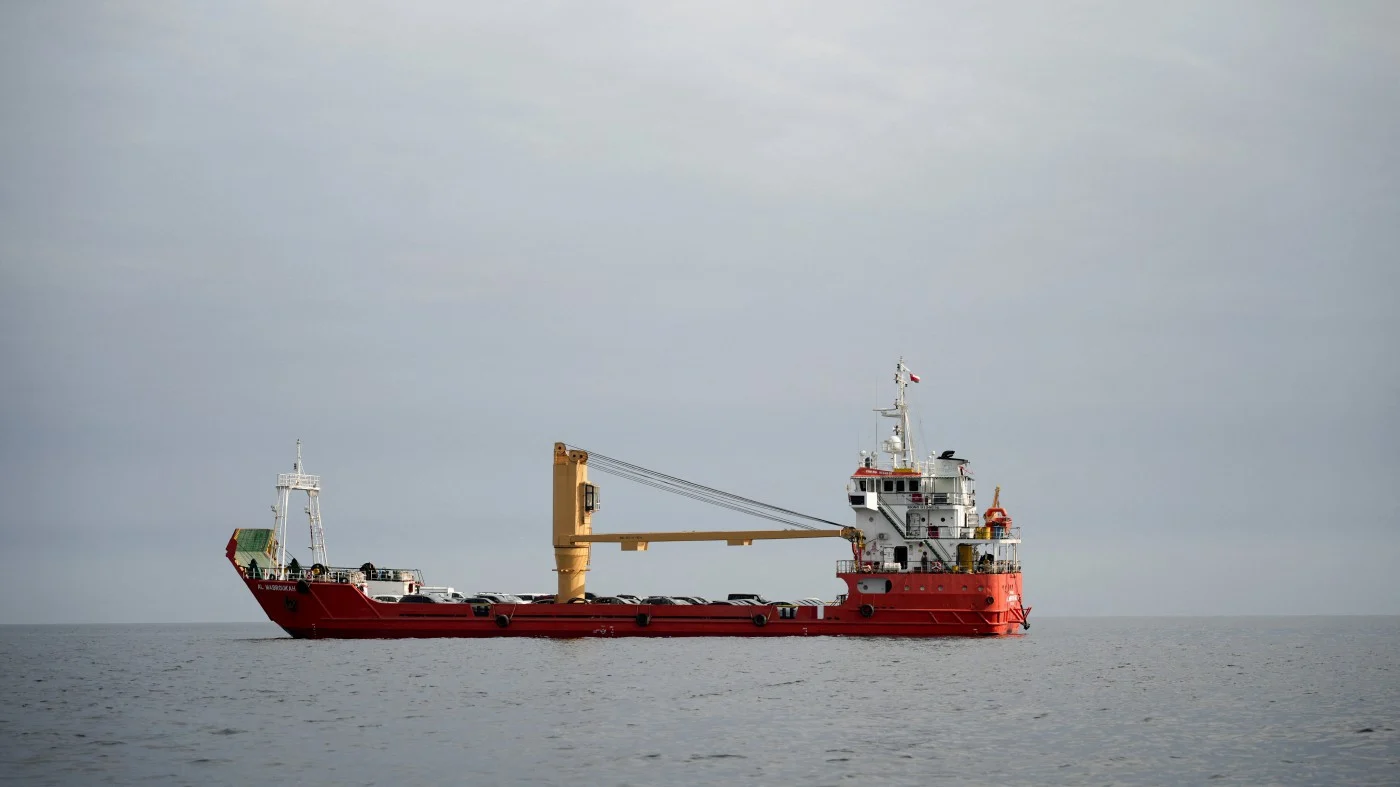
Participants in the dialogue reported isolated instances of fuel shortages at petrol stations and the closure of some construction companies. Reuters pic.
KUALA LUMPUR: The direct impact from the Middle East conflict is likely to materialise in the near term, said Malaysian Institute of Economic Research (MIER).
The institute conducted consultations with industry players and businesses, as well as government-related enabling agencies, the financial sector, chambers of commerce and business councils and civil society organisations, on the implications of the US-Iran conflict on the Malaysian economy.
“A key expectation is that logistics costs and input prices will inevitably rise, which will, in turn, be quickly reflected in the cost of living.
“These pressures are expected to affect business performance over the next two to three months, particularly among small and medium enterprises (SMEs),” MIER said.
Participants in the dialogue reported isolated instances of fuel shortages at petrol stations and the closure of some construction companies.
Sectors such as agriculture, printing, food services and small-scale enterprises are expected to be particularly affected, with some businesses already beginning to feel the impact.
MIER said there is a need to strengthen domestic food production mainly due to declining yields, prolonged dry weather conditions and constrained fertiliser supply.
The conflict has disrupted a key trade route for Russian fertiliser exports, while China has initiated a fertiliser export ban.
These raised concerns over the outlook for fertiliser costs.
Although microfinancing schemes and assistance for SMEs are available, MIER said access to information and support programmes remains fragmented and limited.
“Drawing on examples from past crisis-related funding interventions, it was noted that significant allocations have not always effectively reached certain categories of SMEs.
“It was therefore suggested that relevant information could be better disseminated through business bodies and associations to improve accessibility for affected enterprises,” it added.
Business associations have proposed adjustments to the BUDI95 subsidy mechanism to allow savings to be redirected towards reducing diesel prices for SMEs and businesses.
It also called for a streamlining and temporary reduction of the Sales and Service Tax (SST) rate to five per cent over the next two years, with exceptions for liquor, cigarettes and gaming.
The government may also consider reducing stamp duties for business restructuring and repayment to a standardised rate to assist businesses and reduce the cost of doing business in the country.
“As Malaysia looks to Asean to bolster its trade ecosystem, it would not hurt to look at Asean-adjacent trading partners such as Australia for enhanced trading ties,” it added.
By Asila Jalil
