Brown Bag Talk Series
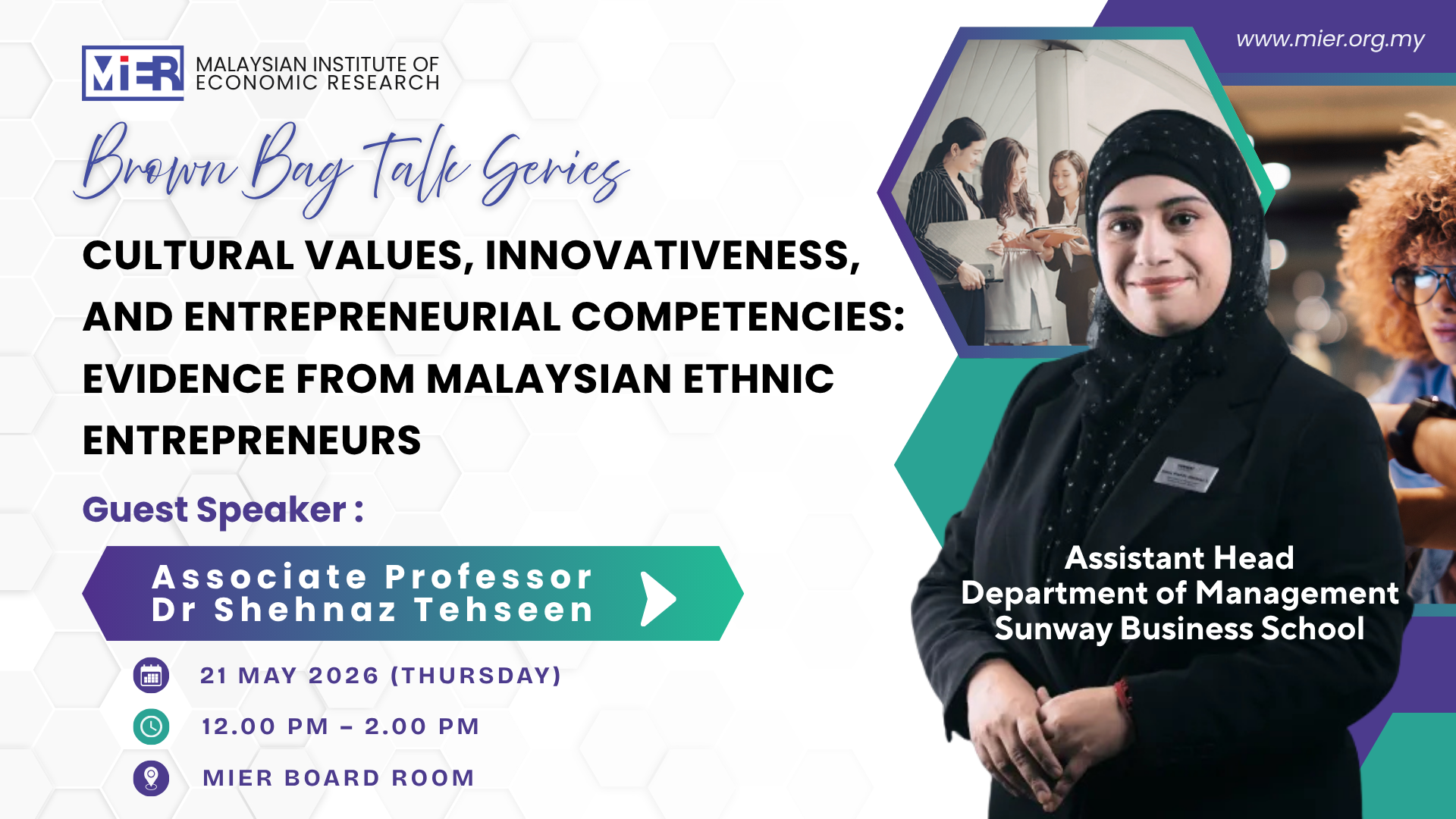
Theme: Cultural Values, Innovativeness, and Entrepreneurial Competencies: Evidence from Malaysian Ethnic Entrepreneurs
Speaker: Associate Professor, Dr Shehnaz Tehseen, Sunway Business School
Written by: Izyan Shamimi Saidi
21 May 2026 | MIER BOARD ROOM
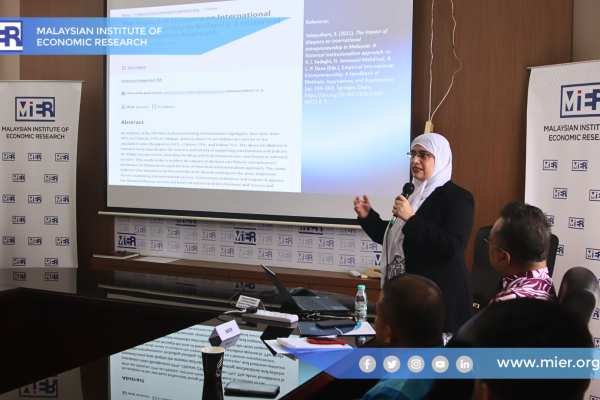
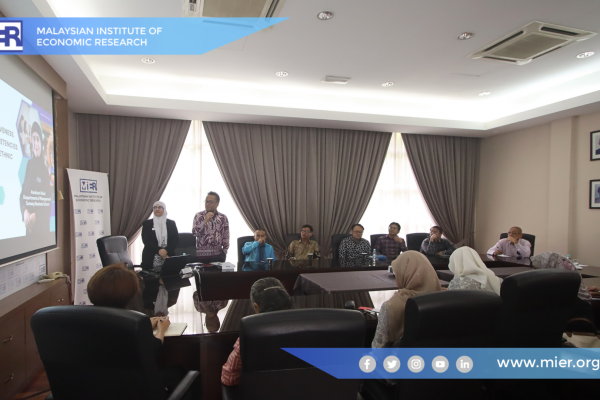
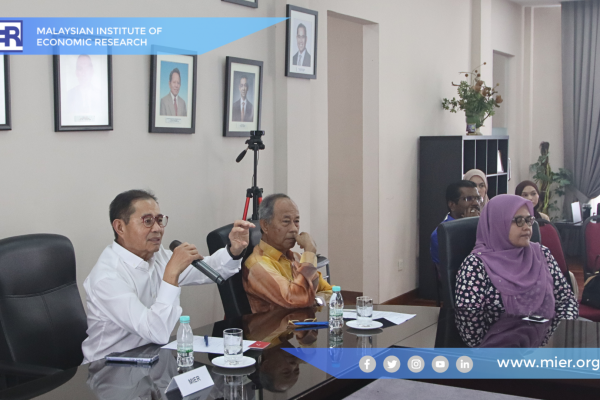
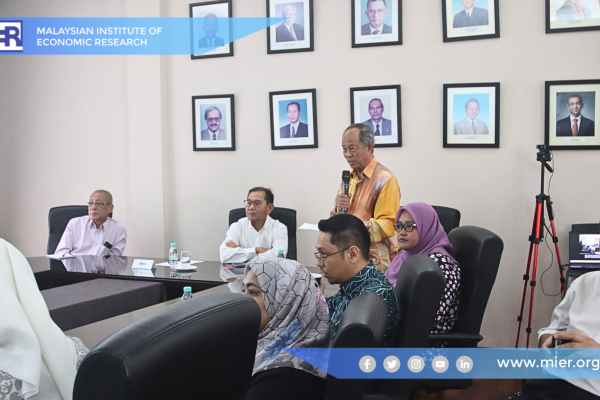
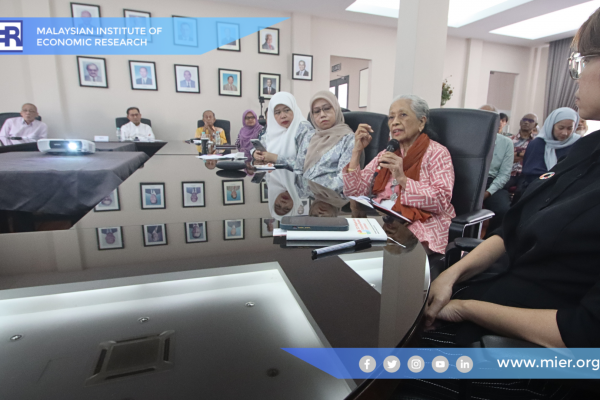
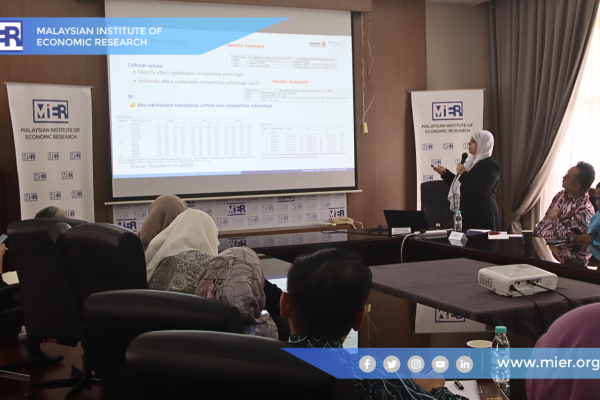
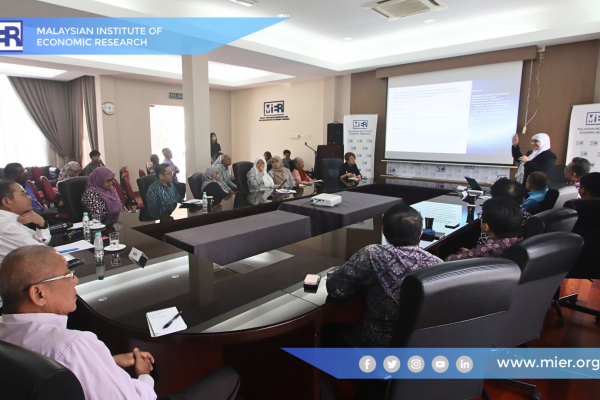
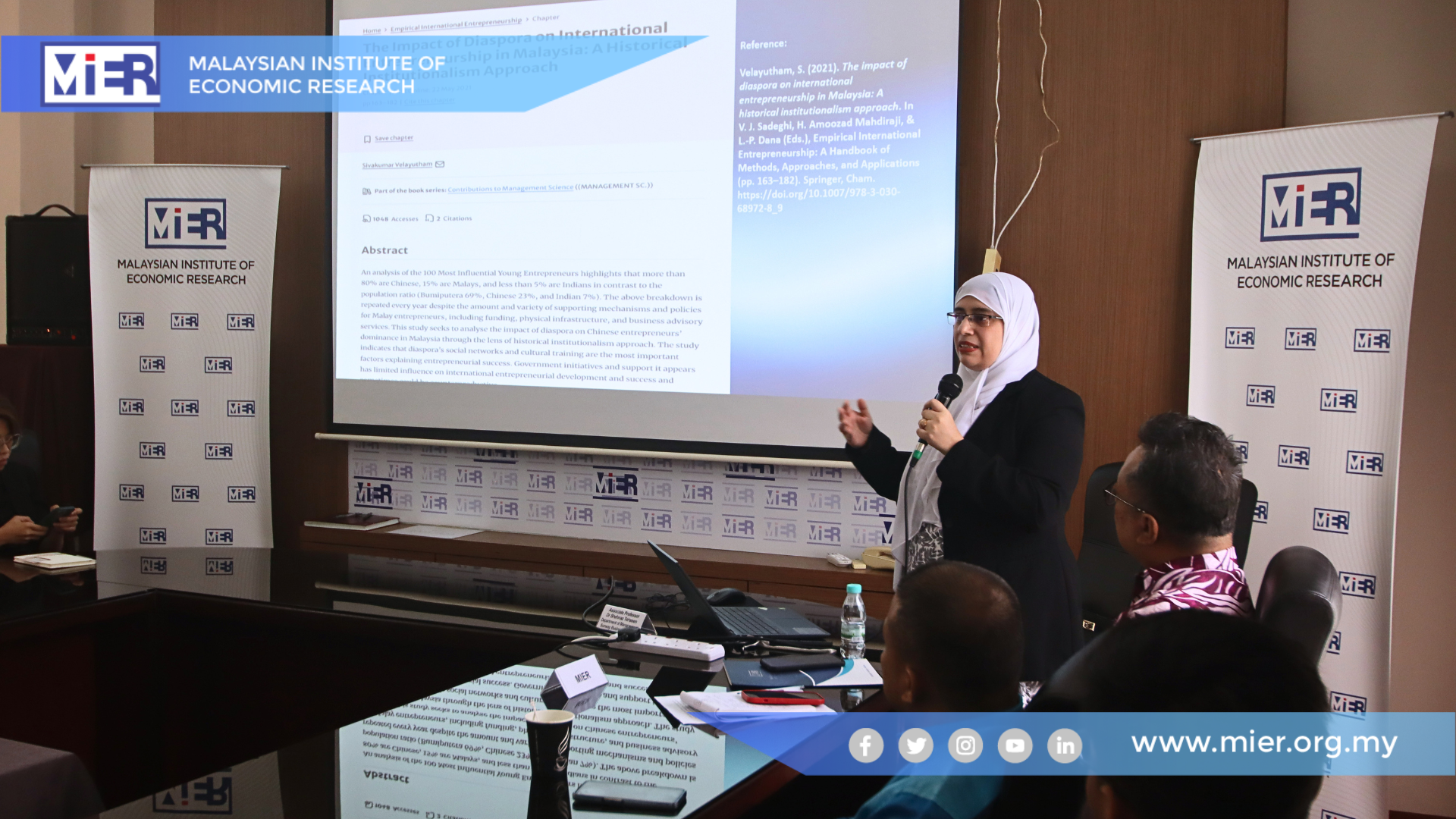
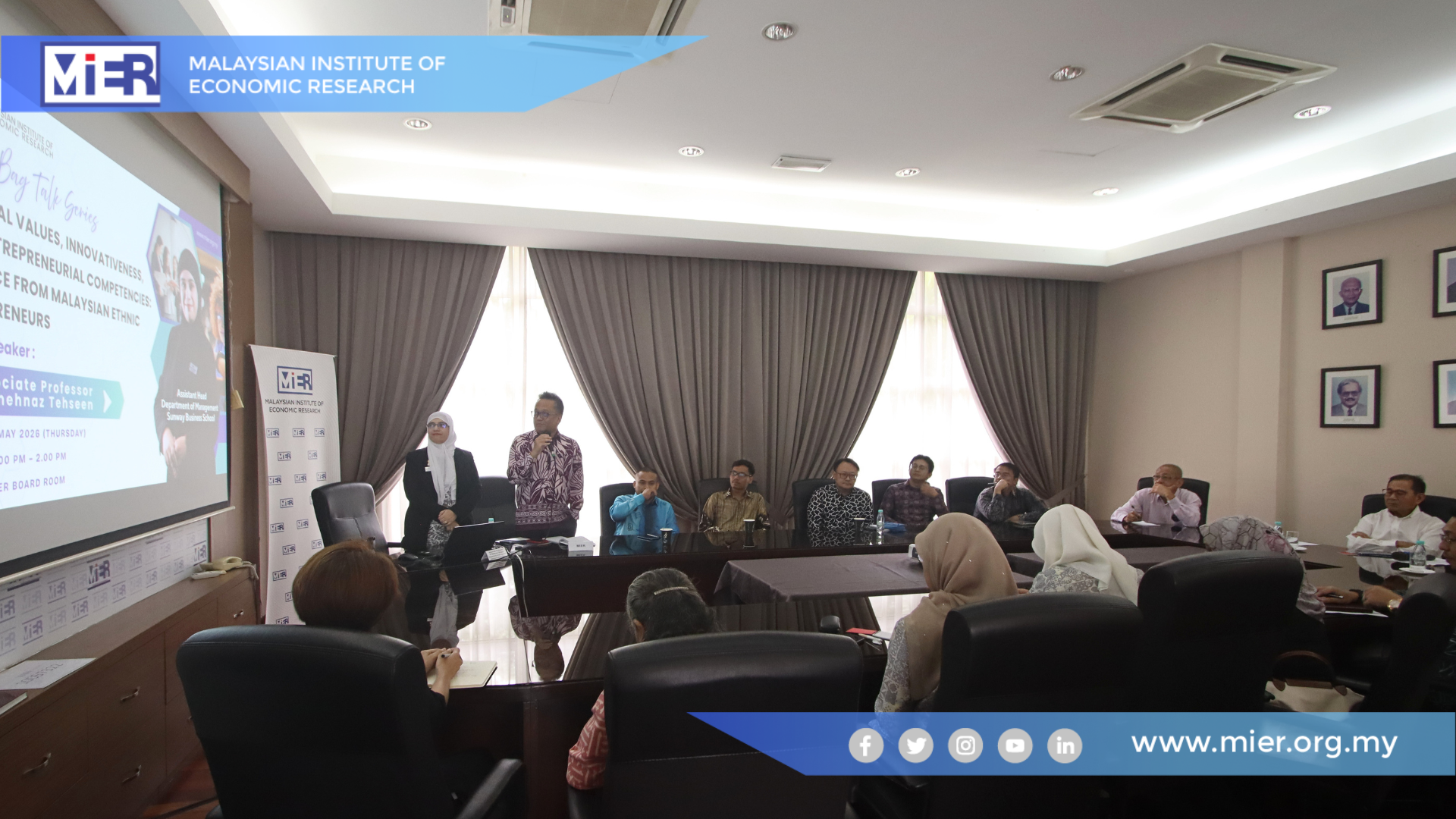
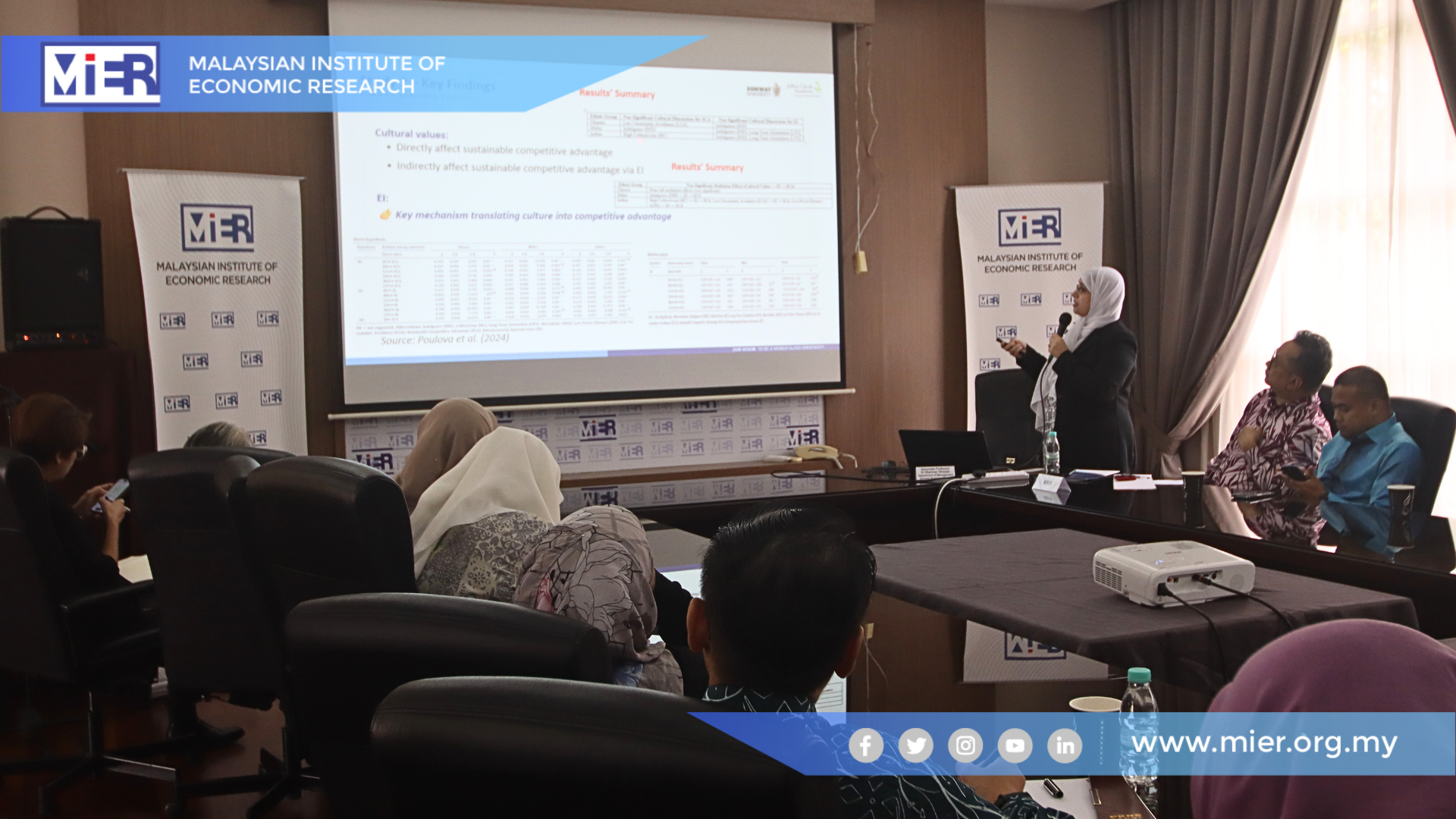
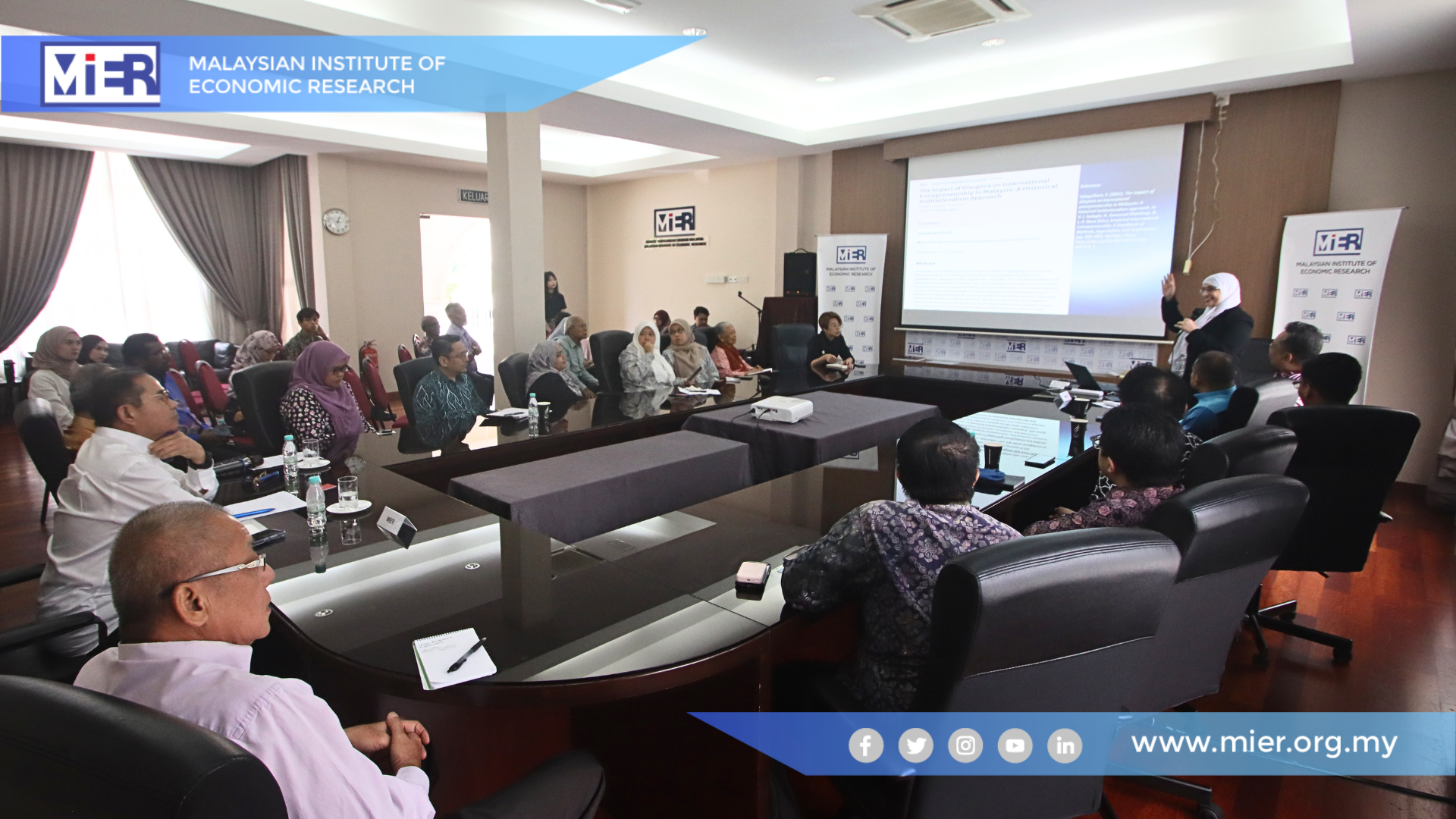
On 21 May 2026, the Azman Hashim Centre for Entrepreneurship and Innovation Research organised a Brown Bag Talk Series featuring Associate Professor Dr. Shehnaz Tehseen from Sunway Business School, Sunway University. The session presented her research on the relationship between cultural values, innovativeness, and entrepreneurial competencies among Malaysian ethnic entrepreneurs. The discussion explored how cultural differences among Malay, Malaysian Chinese, and Malaysian Indian entrepreneurs influence entrepreneurial behaviour, innovation, and business performance within Malaysia’s multi-ethnic environment.
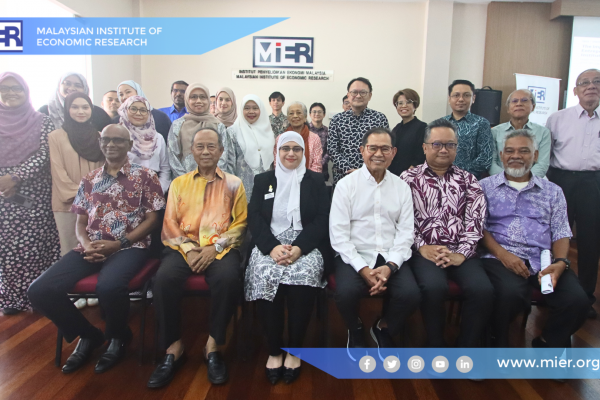
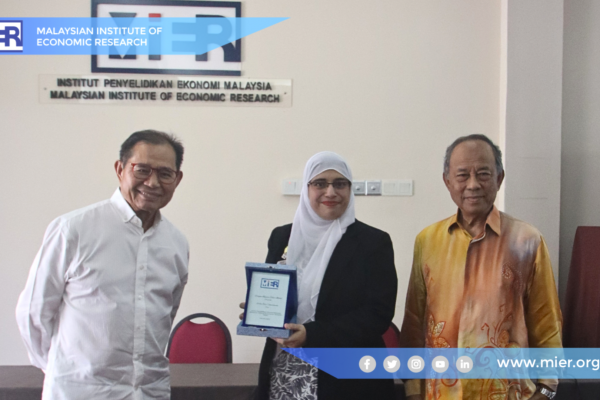
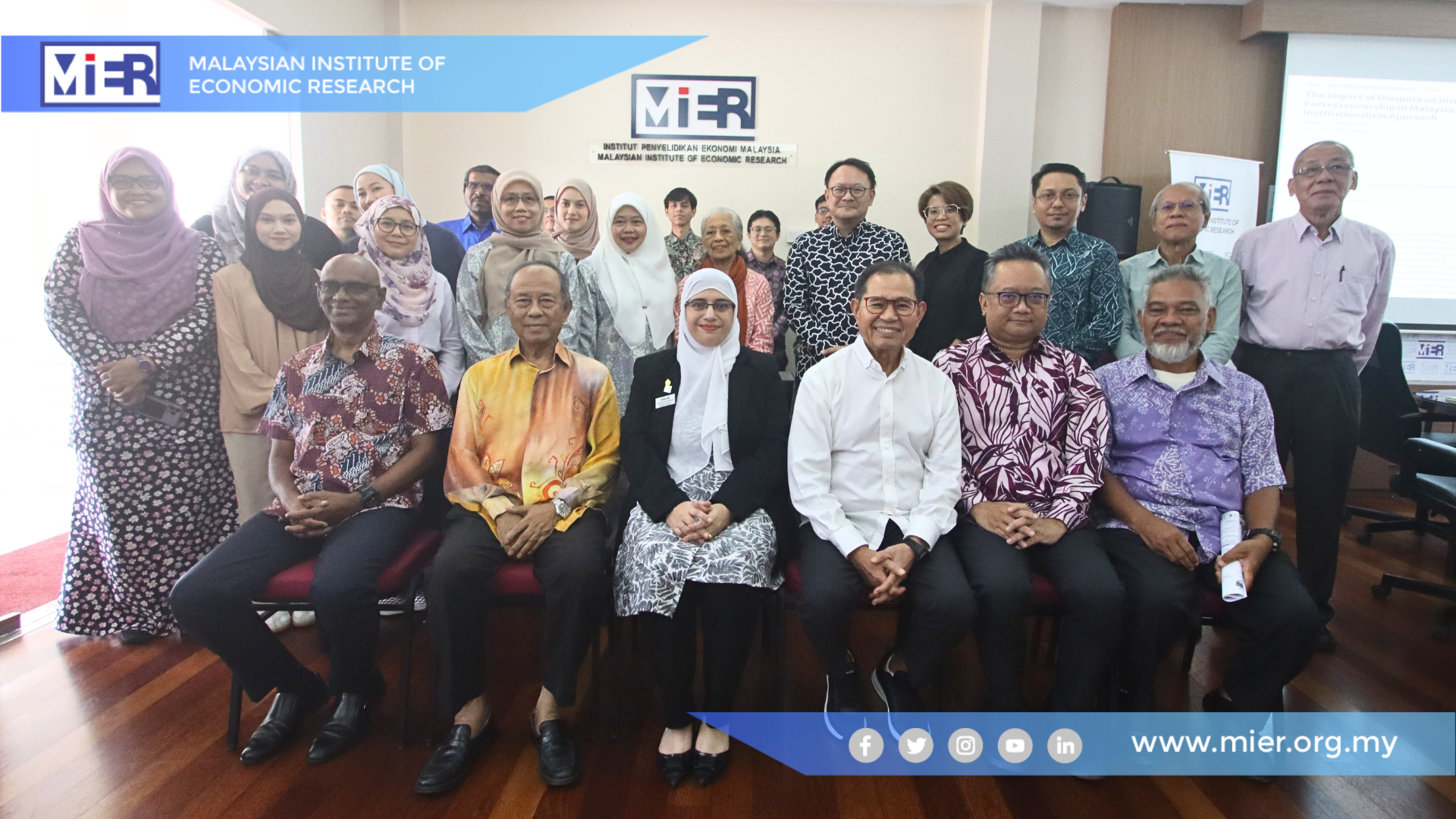
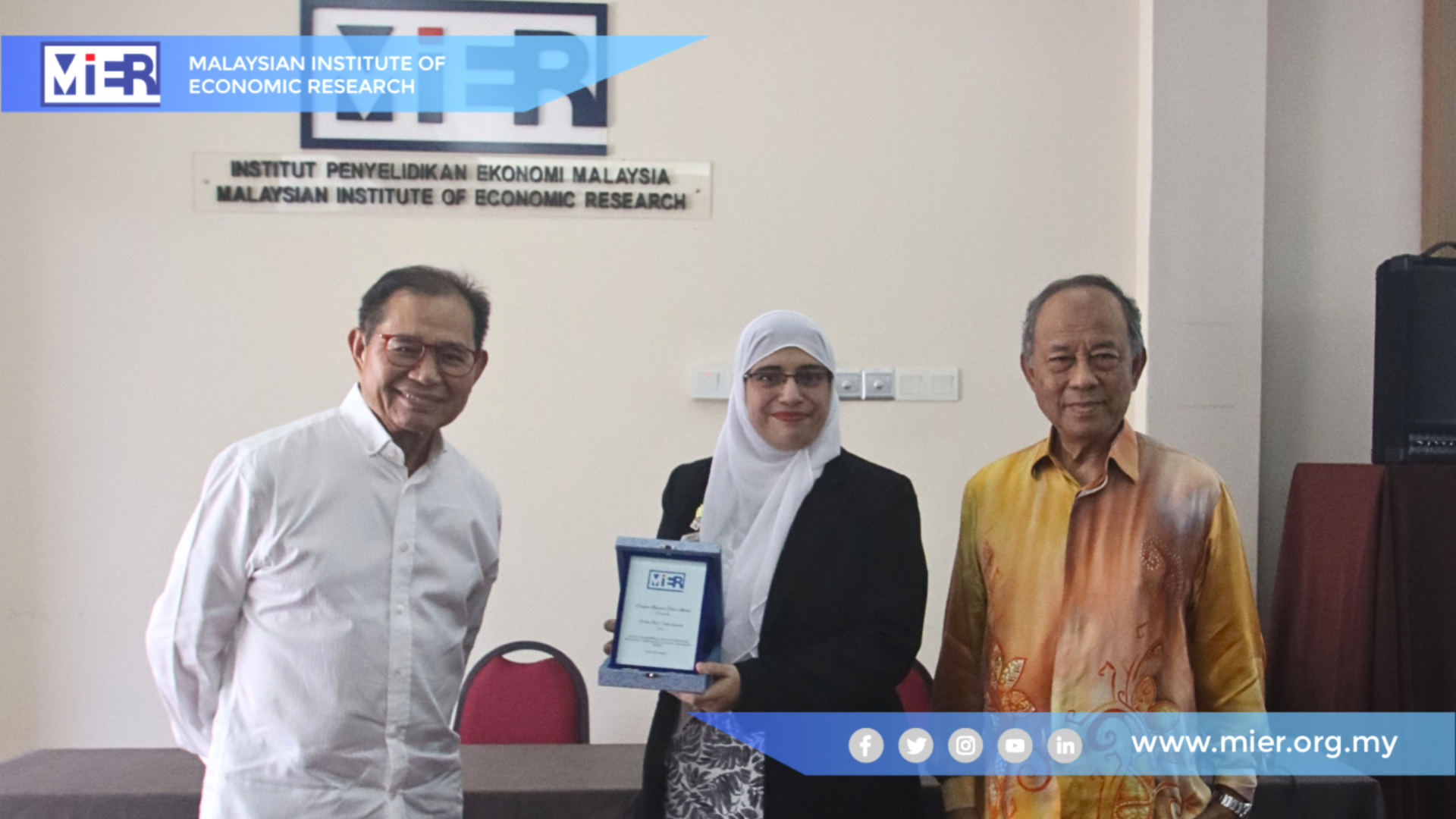
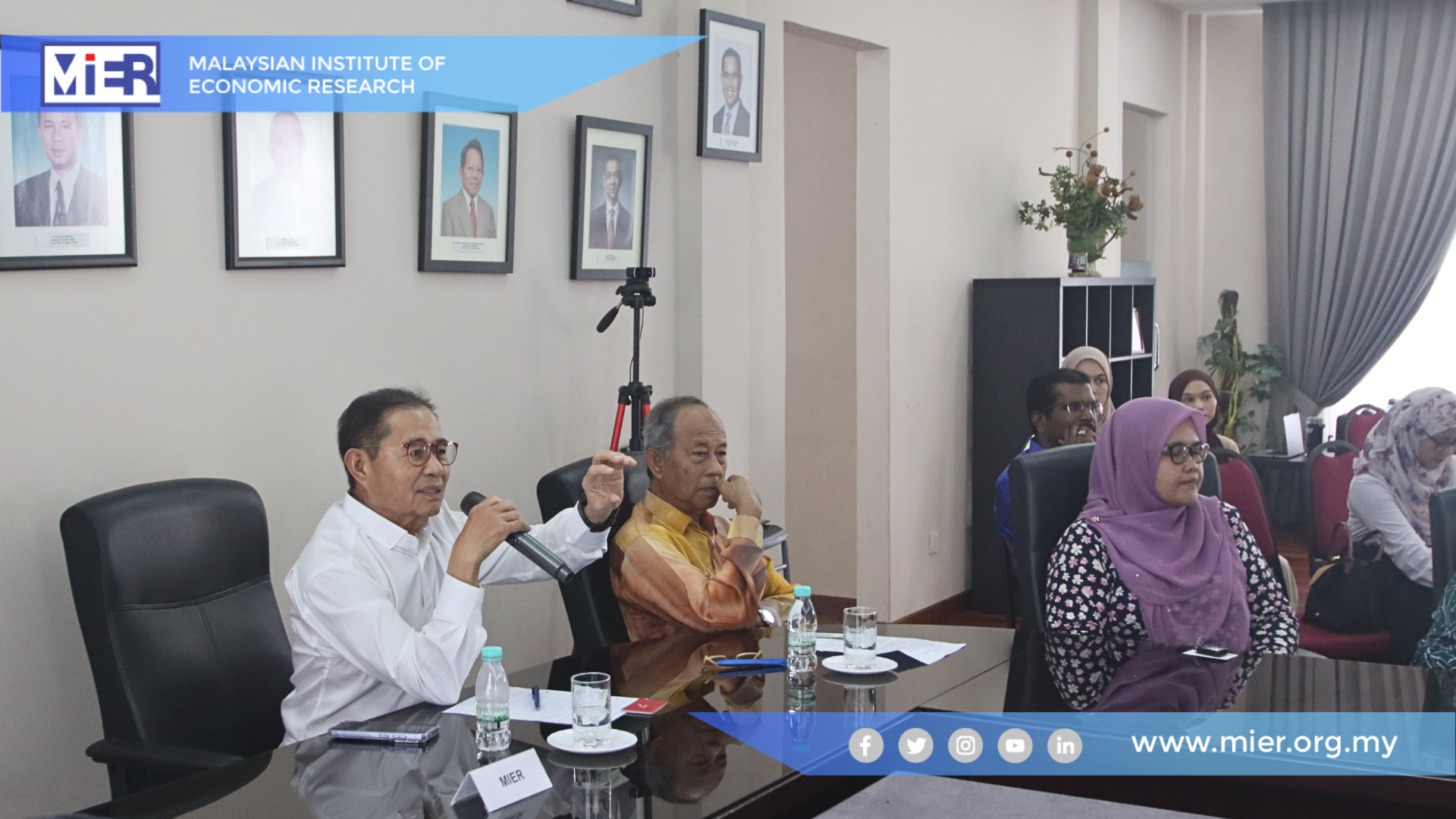
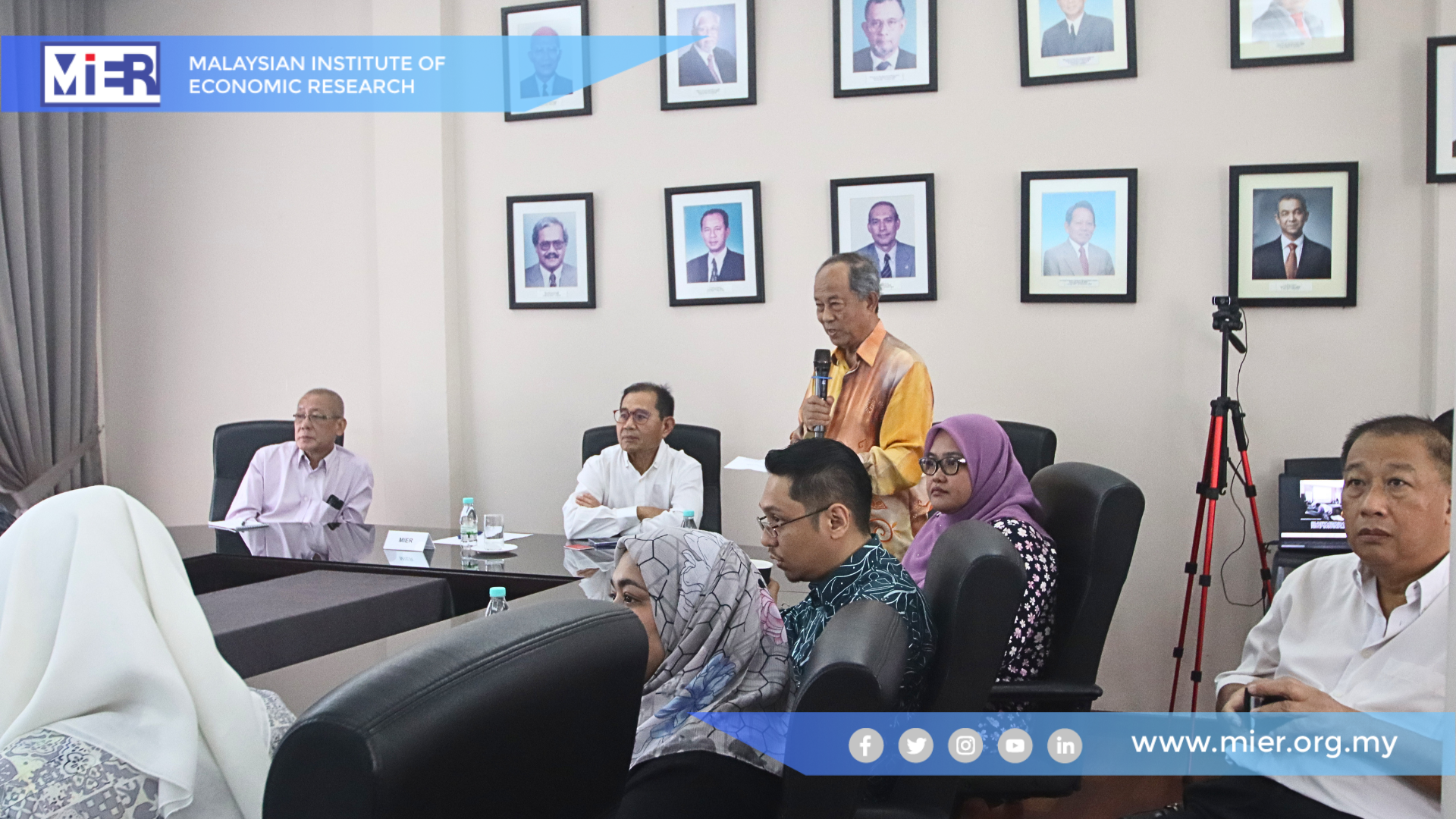
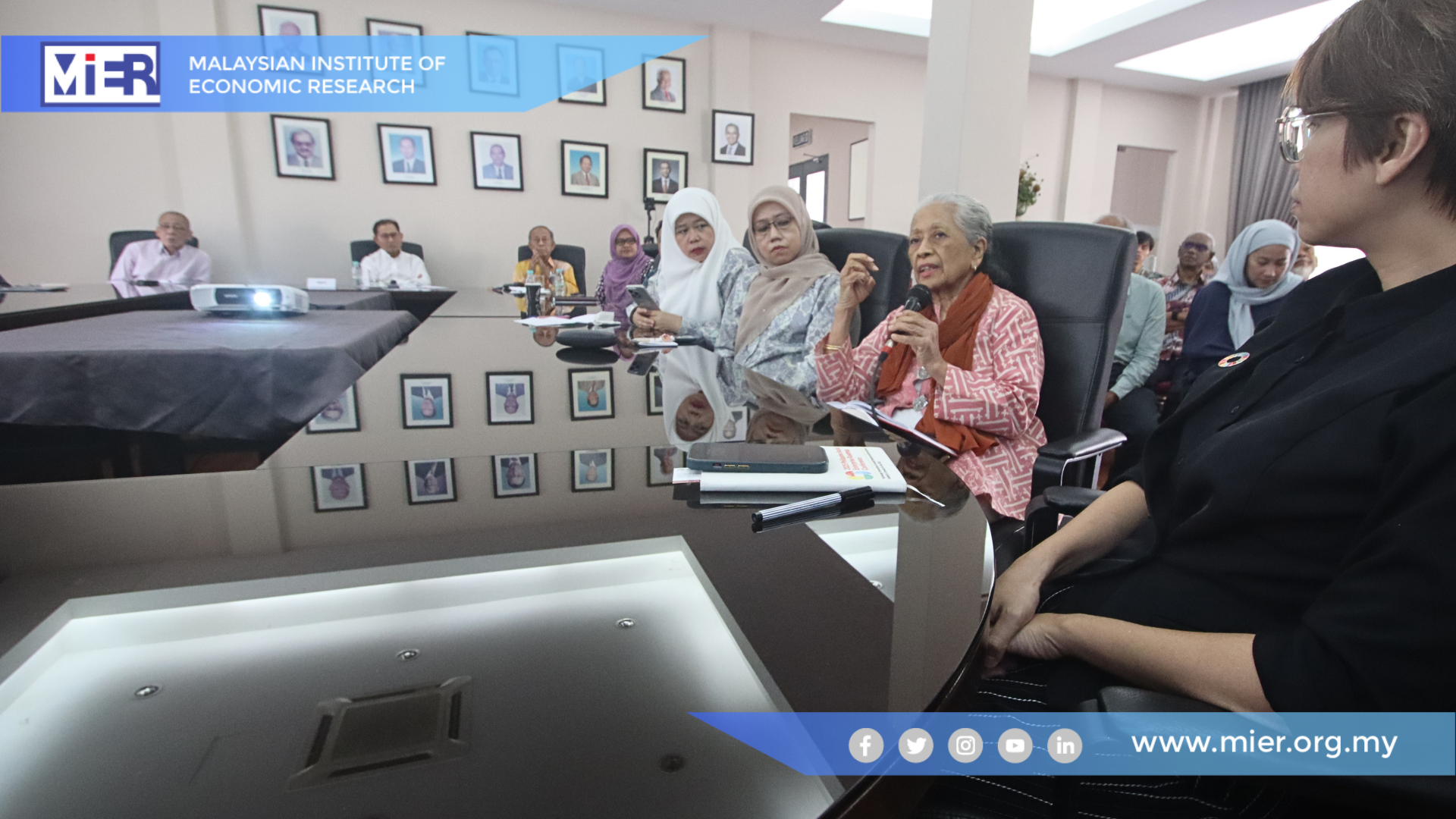
The session was distinguished by the presence of Tan Sri Effendi Norwawi, Chairman of the Malaysian Institute of Economic Research (MIER), and Tan Sri Dr. Sulaiman Mahbob, Executive Director of MIER, reflecting the institute’s strong commitment to fostering meaningful discourse and advancing impactful socioeconomic and entrepreneurship research in Malaysia. A diverse group of stakeholders also joined the event, including policymakers, educators, financial leaders, and industry practitioners. Among the notable organisations in attendance were the Ministry of Entrepreneur Development and Cooperatives (KUSKOP), Ministry of Investment, Trade and Industry (MITI), the National Entrepreneurship Institute (INSKEN), National Cooperative Movement of Malaysia (ANGKASA), the Malaysian Investment Development Authority (MIDA), the National Institute of Public Administration (INTAN), Universiti Teknologi Malaysia (UTM), Universiti Islam Selangor (UIS), National Entrepreneur Group Economic Fund (TEKUN Nasional), the Association of Banks in Malaysia (ABM), MySDG Academy, Wholesomeleaders, and Axon Foundation.
A major theme of the presentation was that entrepreneurship is deeply shaped by culture and cannot be understood through a one-size-fits-all national perspective. Drawing on three integrated studies, Dr. Shehnaz highlighted how different cultural values influence the way entrepreneurs think, make decisions, build competencies, and pursue innovation. The research challenged the common assumption that entrepreneurs within a country operate under a homogeneous culture, instead emphasising the importance of recognising subcultural and ethnic differences in entrepreneurial ecosystems.
The presentation discussed several cultural dimensions based on Hofstede’s framework, including collectivism, power distance, uncertainty avoidance, masculinity, long-term orientation, and indulgence. Findings showed that values such as collectivism, indulgence, and lower power distance positively influenced entrepreneurial innovativeness across all ethnic groups, although some cultural factors affected each group differently. This highlighted that innovation pathways are shaped by distinct cultural experiences and social norms within Malaysia’s diverse society.
Another key discussion focused on entrepreneurial innovativeness as a bridge between cultural values and sustainable competitive advantage. The studies demonstrated that cultural values not only directly affect business performance, but also indirectly influence long-term competitiveness through innovation. Entrepreneurial innovativeness was presented as a critical mechanism that enables businesses to transform cultural strengths into market advantages and sustained growth.
The session also examined entrepreneurial competencies across ethnic groups. Malaysian Chinese entrepreneurs were found to display stronger commercial and strategic competencies, while Malay entrepreneurs showed greater emphasis on ethical, conceptual, and family-oriented competencies. Malaysian Indian entrepreneurs demonstrated a combination of commercial and social competencies. These findings reinforced the idea that entrepreneurial competencies are culturally shaped and influence how businesses approach opportunities, growth, and performance.
From a policy and practical perspective, the presentation highlighted the importance of designing culturally sensitive entrepreneurship programmes and training initiatives. Policymakers, educators, and ecosystem builders were encouraged to recognise the diversity of entrepreneurial motivations and strengths across communities when developing support systems and capacity-building strategies. The talk concluded by emphasising that there is no single pathway to entrepreneurial success, as different cultural backgrounds create different approaches towards innovation, competencies, and competitive advantage in business.