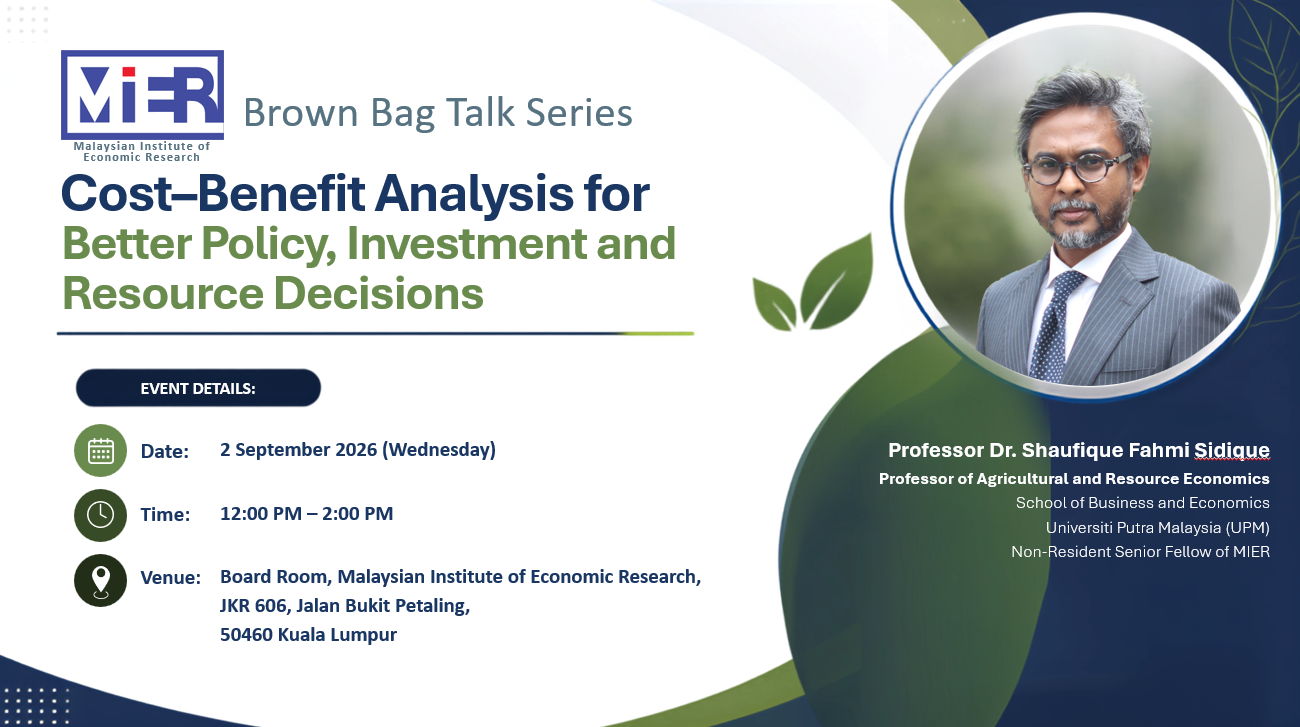
Speaker:
Professor Dr. Shaufique Fahmi Sidique
Professor of Agricultural and Resource Economics
School of Business and Economics
Universiti Putra Malaysia (UPM) | Non-Resident Senior Fellow of MIER
Written by: Faridah Dahalan
2 September 2026 | MIER BOARD ROOM
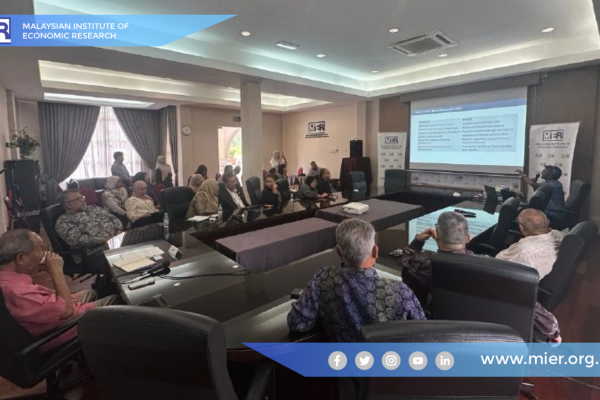
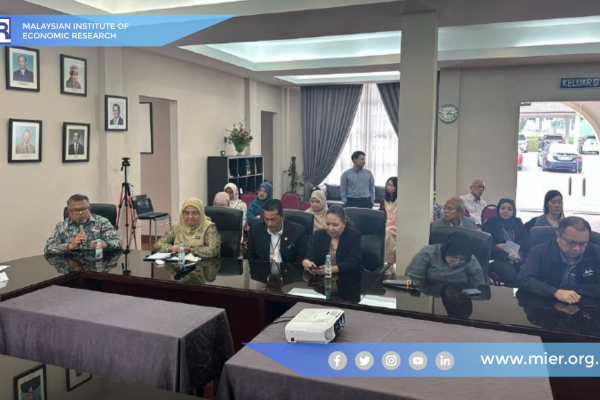
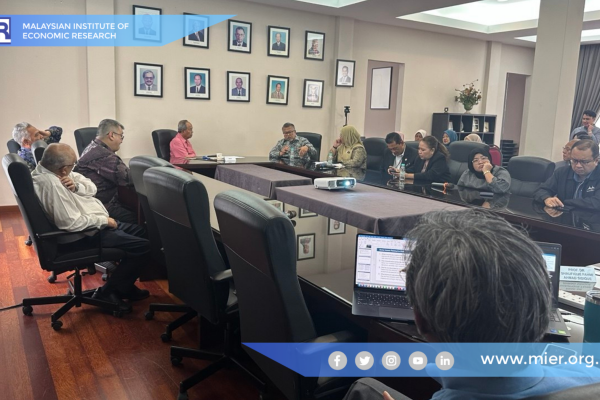
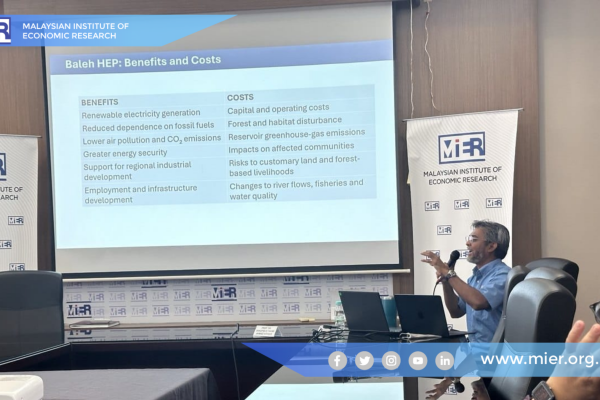
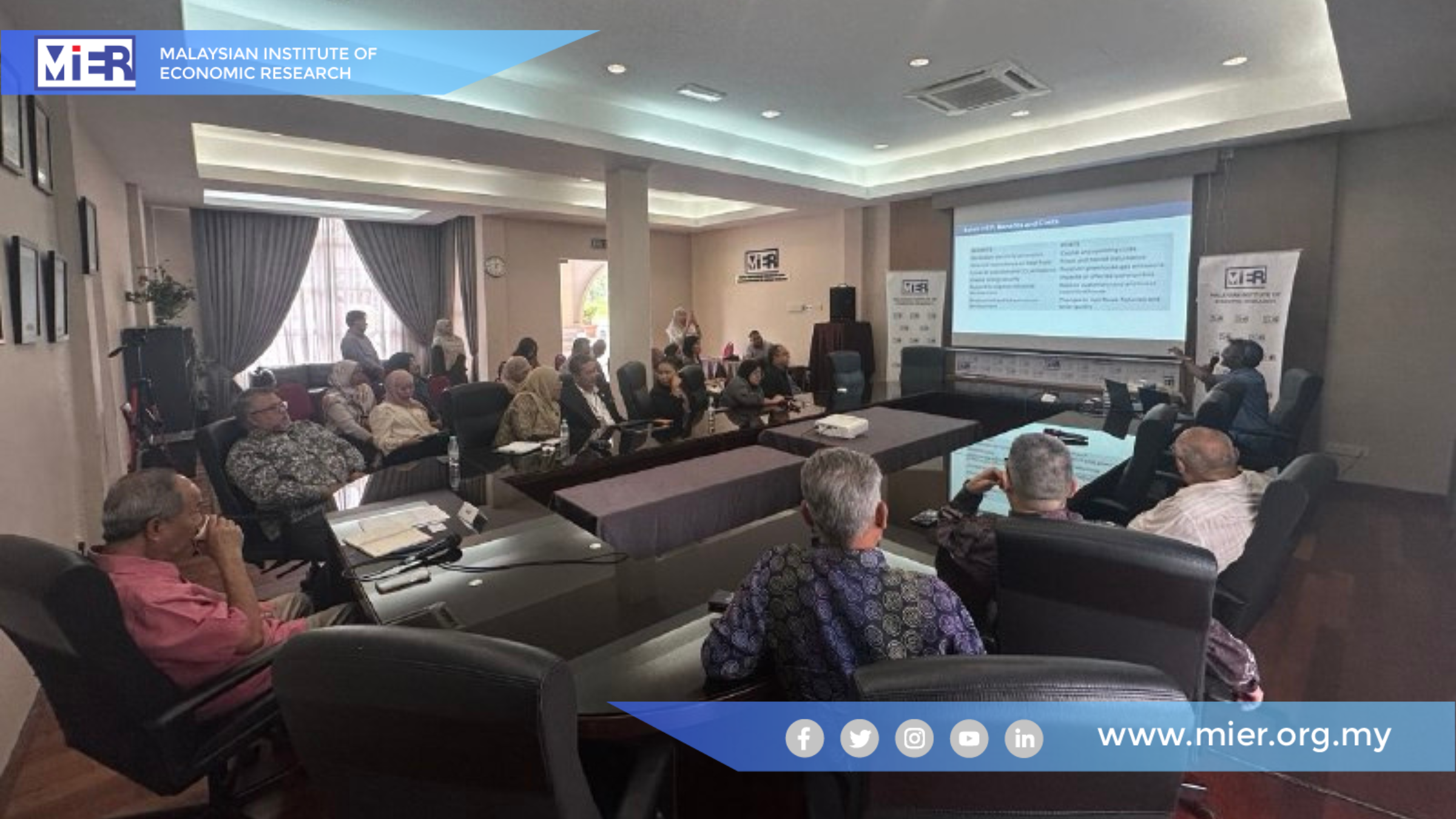
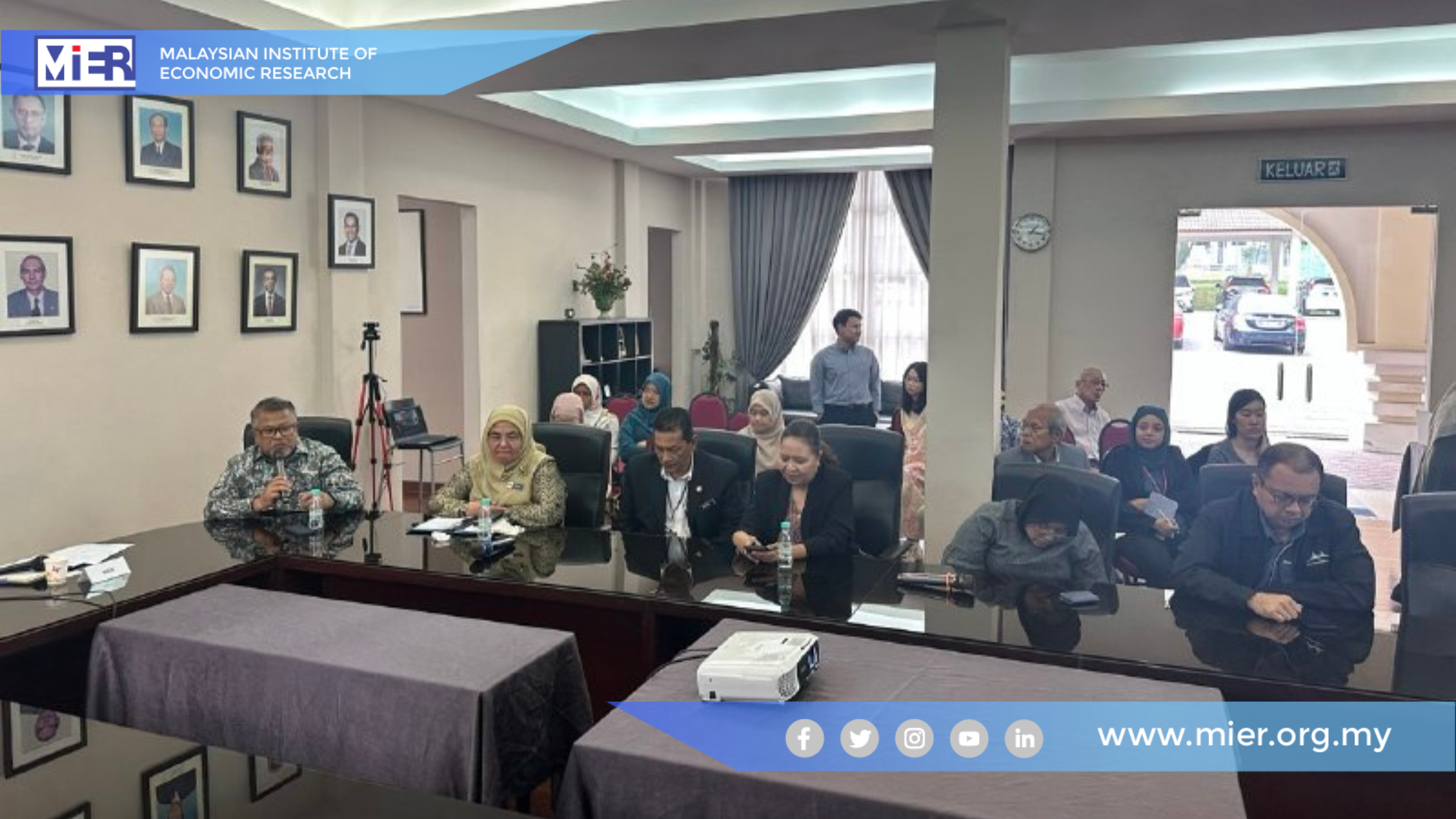
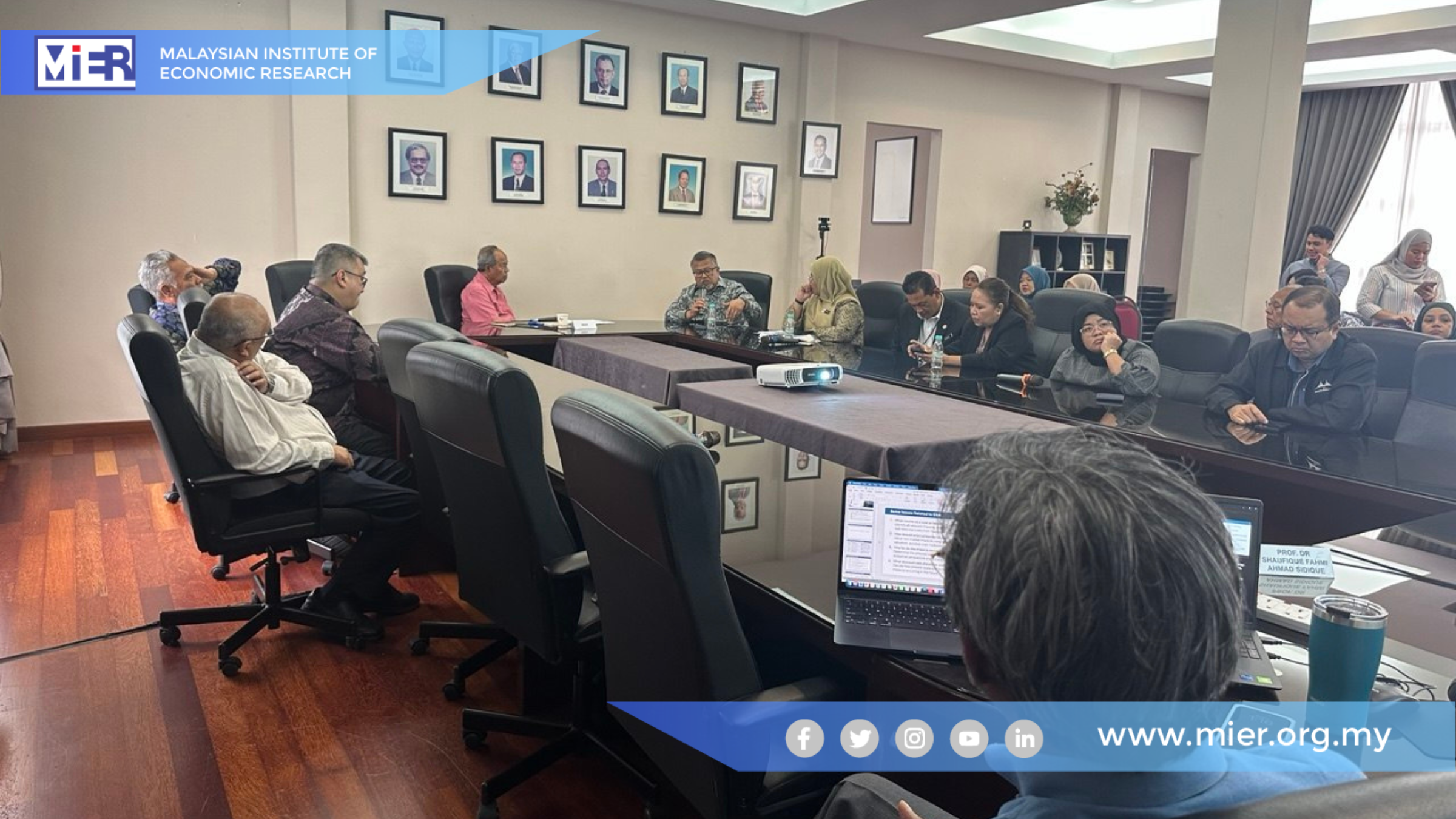
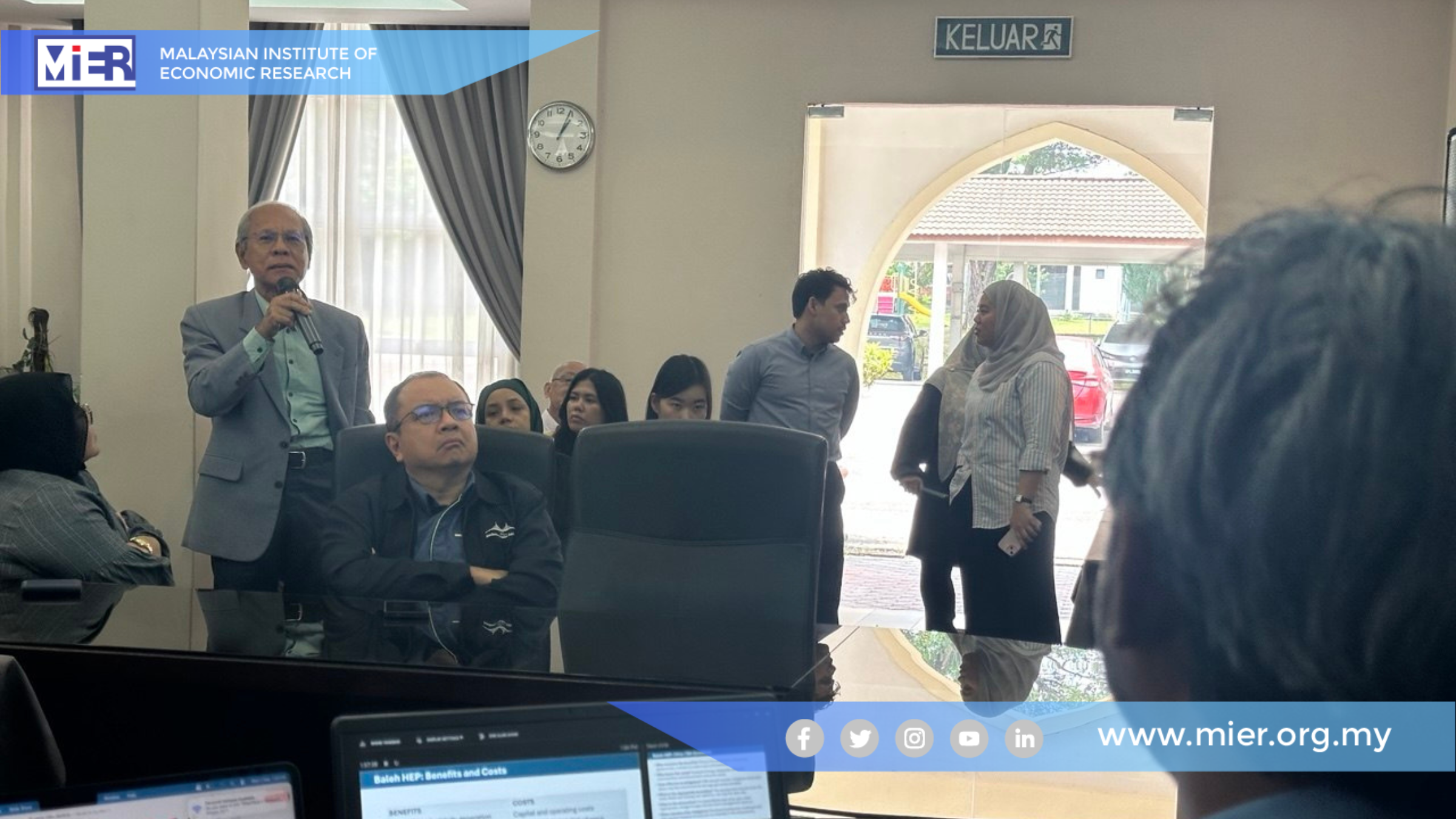
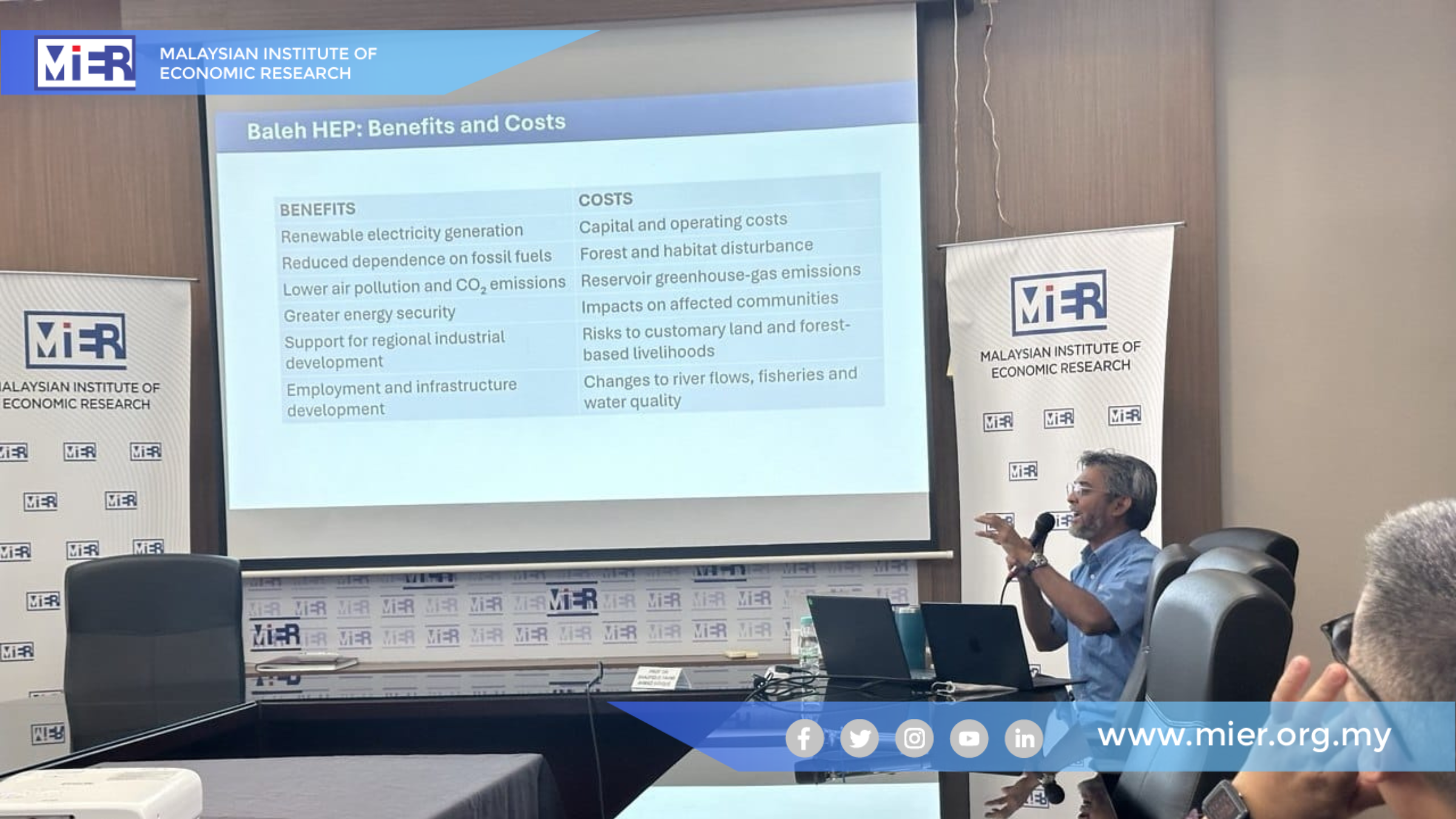
The Malaysian Institute of Economic Research (MIER) continued its Brown Bag Talk Series with a session titled “Cost–Benefit Analysis for Better Policy, Investment and Resource Decisions”, held on 2 September 2026 at the MIER Board Room. The session featured Professor Dr. Shaufique Fahmi Sidique, Professor of Agricultural and Resource Economics at the School of Business and Economics, Universiti Putra Malaysia (UPM), and Non-Resident Senior Fellow of MIER. He shared insights on how Cost–Benefit Analysis (CBA) can help improve policy, investment and resource allocation decisions.
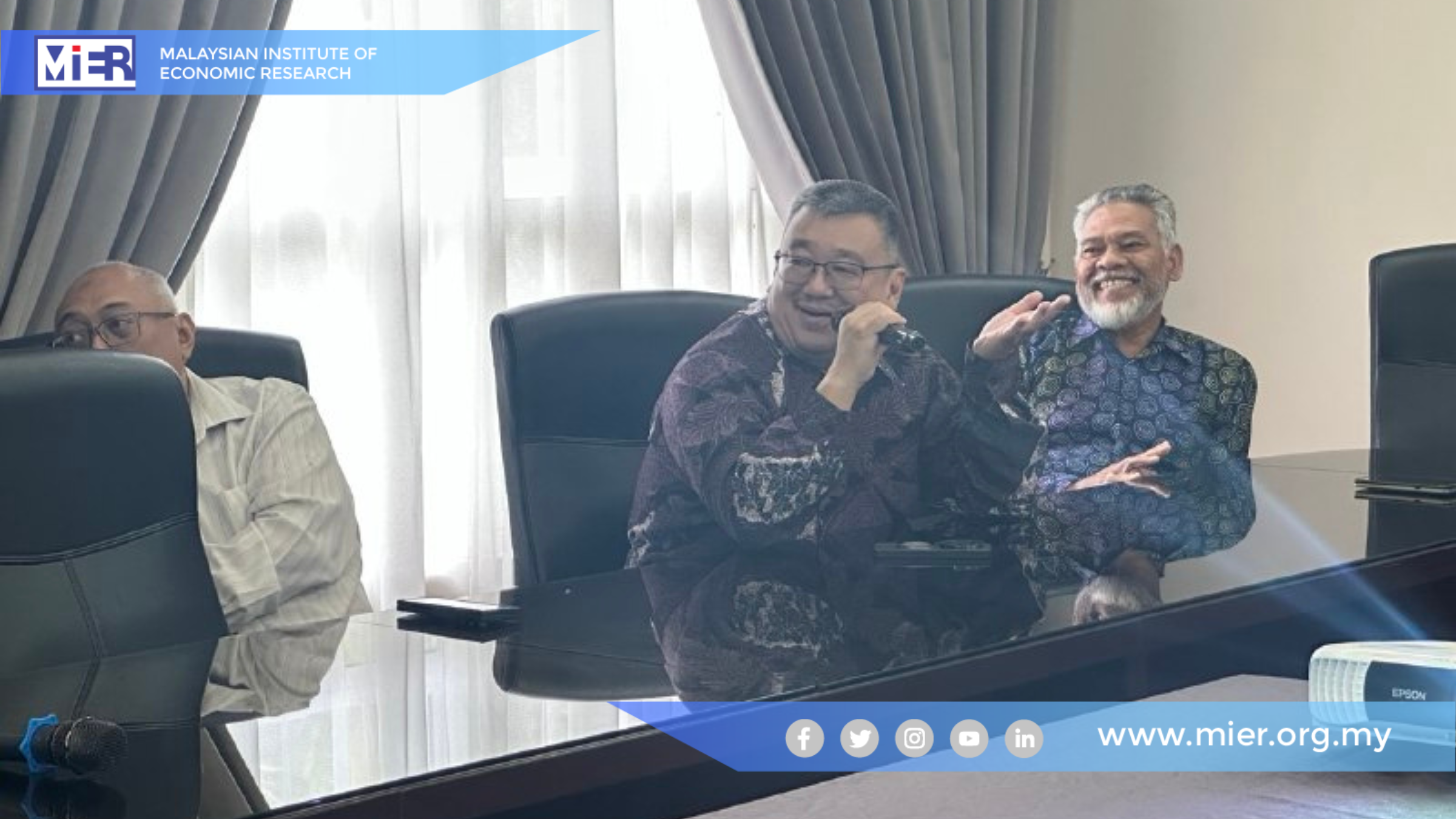
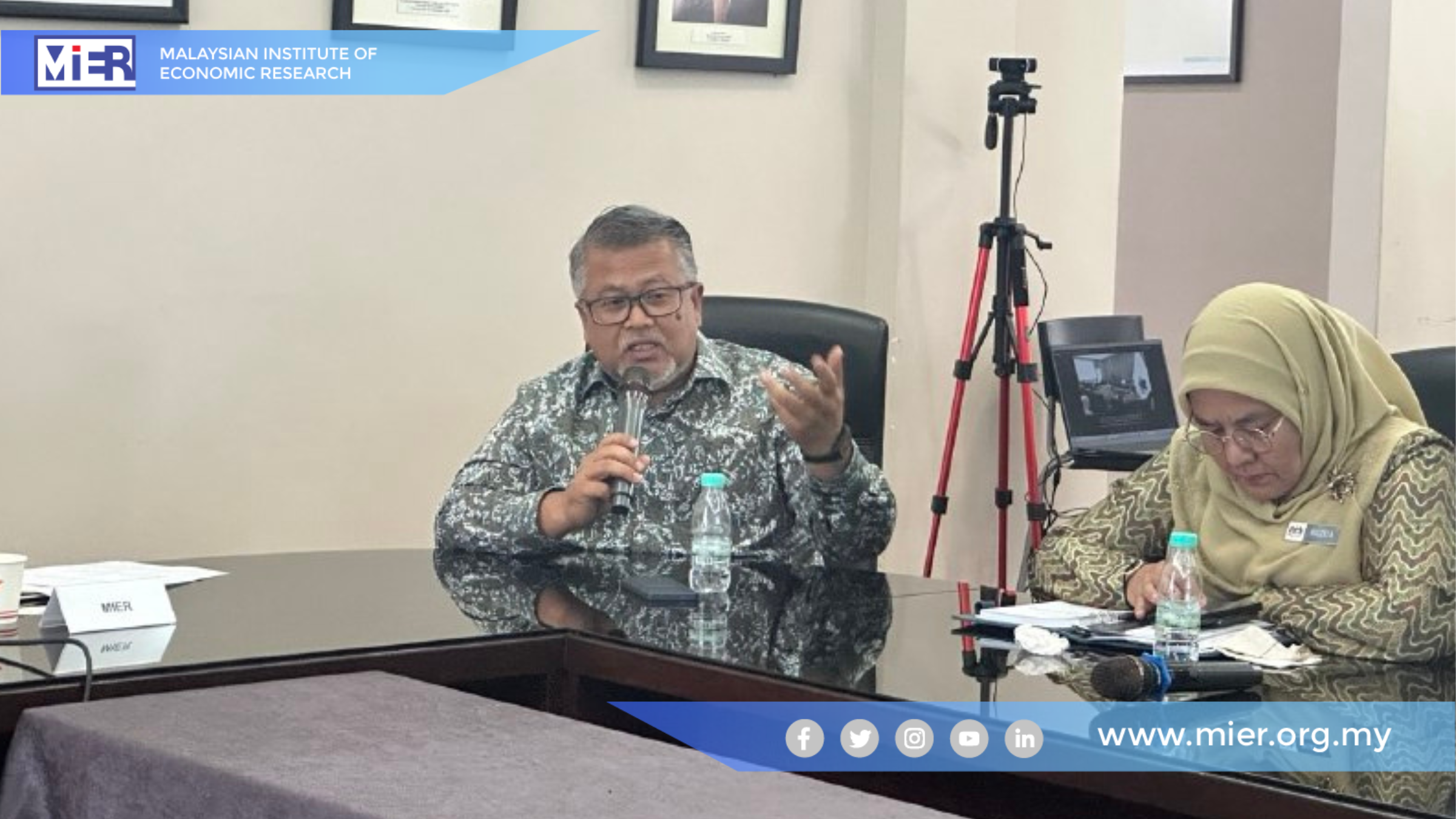
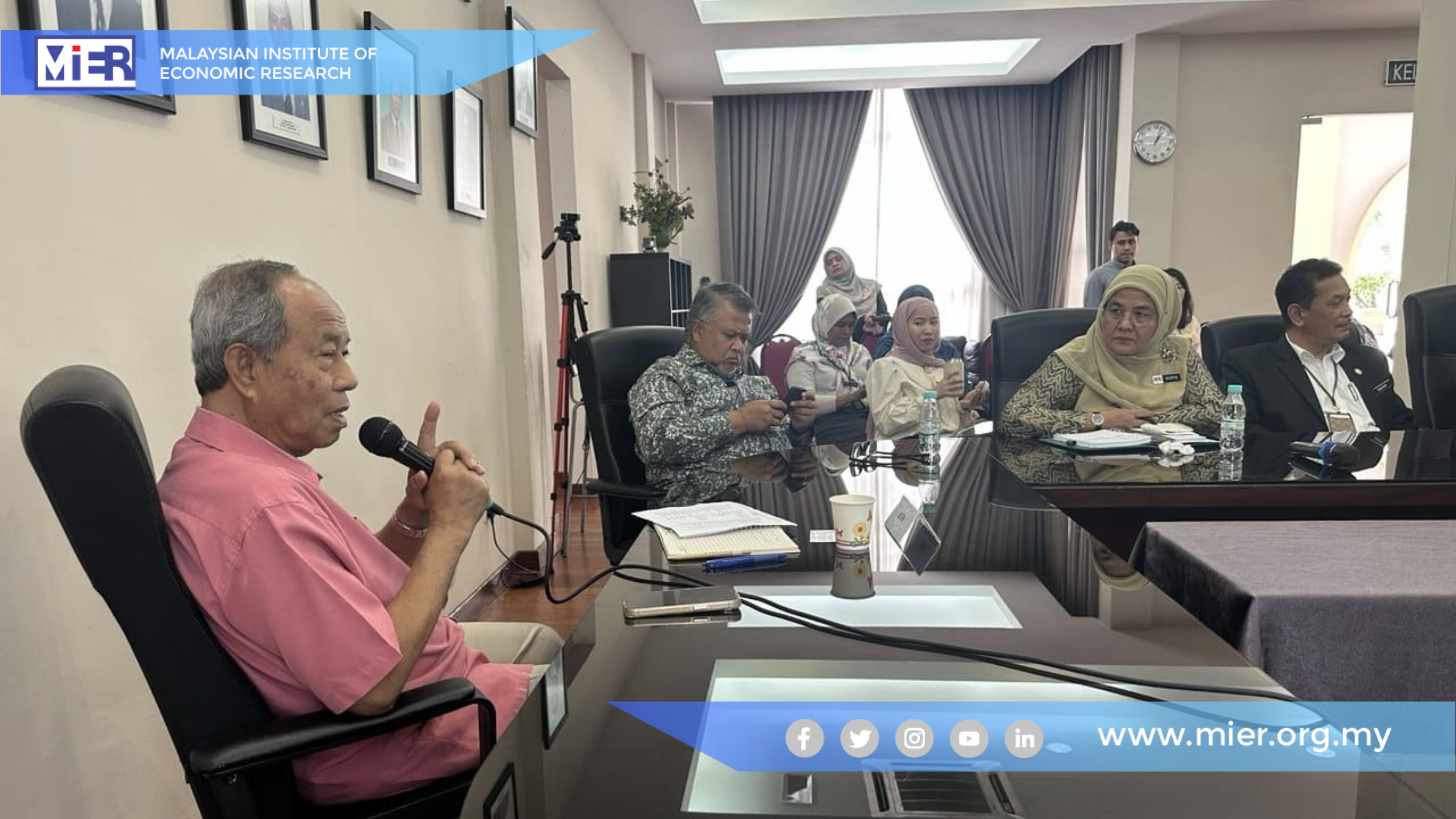
The session was attended by Tan Sri Dr. Sulaiman Mahbob, Executive Director of MIER, together with MIER senior fellows, researchers and participants. The discussion introduced CBA as a useful tool for assessing whether a policy, project or investment brings greater benefits than costs to society. Unlike a purely financial assessment, CBA looks at the wider economic, social and environmental impacts of a decision, helping decision-makers better understand the trade offs involved.
A key part of the session was understanding the difference between Cost–Benefit Analysis and capital budgeting. While capital budgeting focuses mainly on whether a project is financially worthwhile for a company or investor, CBA looks at the impact on society as a whole. It considers not only financial returns, but also wider social and environmental benefits and costs. This makes CBA particularly useful when assessing public projects and policies that may affect many different groups.
The discussion also highlighted the importance of identifying all relevant costs and benefits when carrying out a CBA. This includes considering impacts that may not have a direct market value, such as pollution, biodiversity loss, public health and changes to people’s livelihoods. It is also important to clearly define who is affected, where the impacts take place and how long the costs and benefits may continue.
To explain these ideas, Prof. Dr. Shaufique shared real-world examples, including the US Clean Air Act Amendments of 1990 and the Aral Sea irrigation expansion. These cases showed how including or leaving out environmental, health and livelihood impacts can lead to very different conclusions when assessing a policy or project.
The session concluded with the key message that a good Cost–Benefit Analysis does not remove difficult trade-offs, but makes them clearer and easier to compare. By looking at the full range of economic, social and environmental impacts, CBA can support more informed and evidence-based decisions on policies, investments and the use of resources. The session also reflects MIER’s continued commitment to promoting knowledge sharing and meaningful discussions on economic and policy issues among researchers, academics and practitioners.